AI & Engineering
Custom Software Development & System Integration
gaa-tha builds custom software and connects the systems a business already runs: customer, dealer and vendor portals, internal platforms, APIs, and integrations between ERP, CRM, ecommerce, marketplaces and logistics. We handle the system engineering end to end — architecture on AWS, Google Cloud, Azure or Firebase, CI/CD, security, legacy modernisation, documentation and support under an agreed SLA.
Last updated 22 October 2026
 Service hero · 16:9
- Best for
- Growing companies whose ERP, CRM, store and logistics tools do not talk to each other, and businesses with workflows no off-the-shelf product fits
- Timeline
- Integrations in 2–6 weeks; portals and platforms in phases, with the first release in 8–12 weeks
- Engagement model
- Fixed-scope phases or a dedicated monthly team, plus an SLA-based support plan
- Channels / platforms
- Web apps and APIs; AWS, Google Cloud, Azure and Firebase; ERP, CRM, Shopify, marketplace, payment and logistics integrations
The service
What is Custom Software Development & System Integration?
Custom software development is building software to a business's own specification — a dealer ordering portal, a vendor onboarding system, an internal operations platform — when off-the-shelf products do not fit the process. System integration is the companion discipline: connecting the ERP, CRM, ecommerce store, marketplaces, payment gateways and logistics partners through APIs so data is entered once and reaches everywhere it is needed.
At gaa-tha both are treated as system engineering. We start with an architecture view of every system, data flow and owner, decide what to build, buy or connect, then deliver in short releases with automated tests, CI/CD pipelines, monitoring and security reviews. Everything is documented so your own team, or any competent developer, can run and extend it after us.
Scope
What's included
- Systems audit and architecture — current tools, data flows, owners, failure points and a target design
- Customer, dealer, distributor and vendor portals with ordering, ledgers, schemes, documents and support tickets
- Internal platforms and admin tools for operations, approvals, field teams and reporting
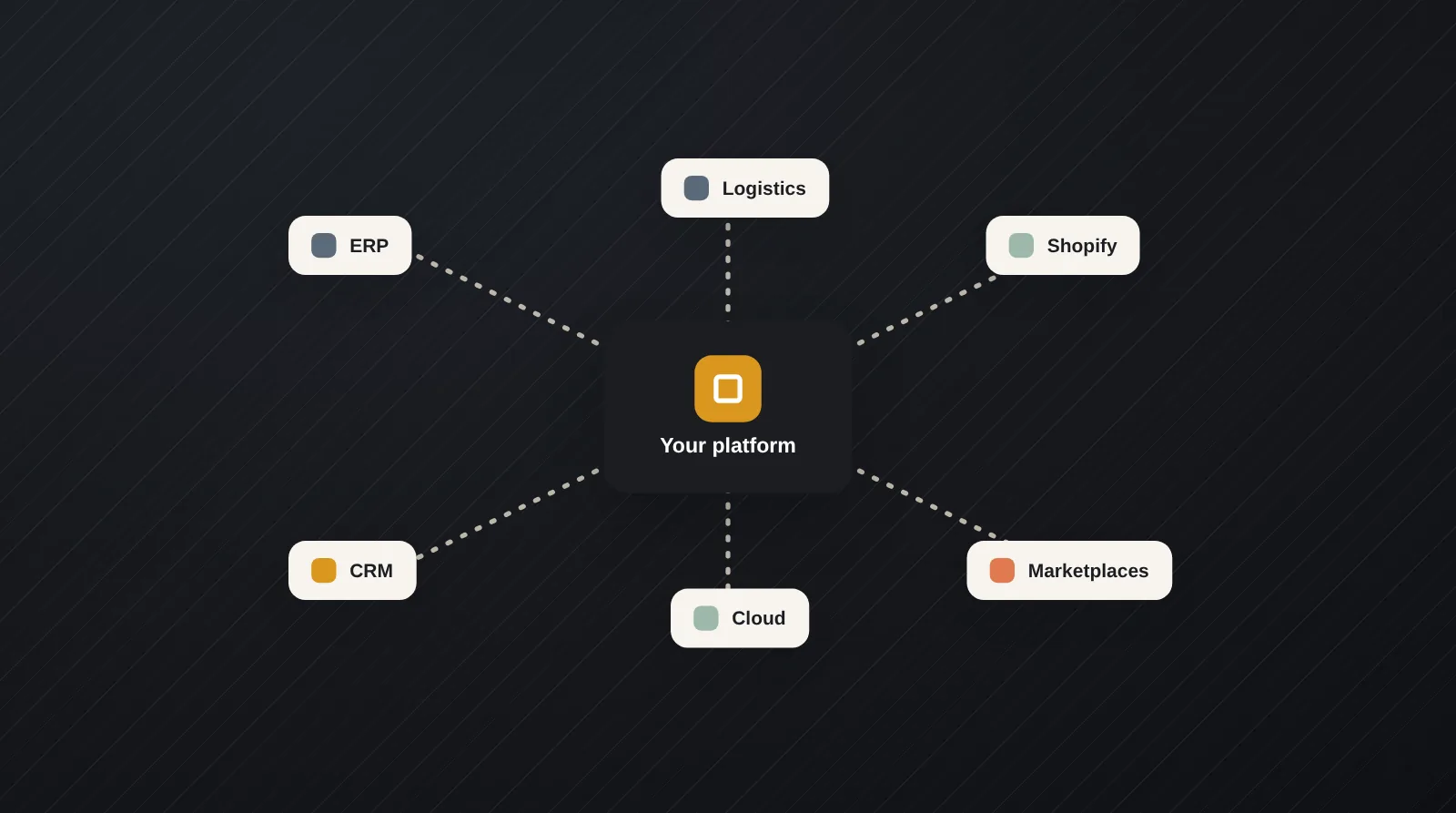
- REST and GraphQL APIs, webhooks and middleware connecting ERP, CRM, Shopify, marketplaces, payment gateways and logistics
- Cloud architecture on AWS, Google Cloud, Azure or Firebase, sized for current load and cost
- DevOps — version control, CI/CD pipelines, staging environments, infrastructure as code and automated backups
- Legacy modernisation: moving old desktop, PHP or spreadsheet-based systems to maintainable web platforms in stages
- Security by design — authentication, role-based access, encryption, audit logs, OWASP-based testing and data-protection practices
- Production monitoring, alerting and performance tuning
- Technical documentation, handover and support under an agreed SLA
Process
How we work
Five steps, in the order they happen.
Audit and architect
We document every system, integration and data flow you run today, find the weak points and agree a target architecture with build, buy and connect decisions.
Specify and plan releases
Requirements become user stories, API contracts and a release plan, so each phase delivers something your team can use.
Build in short cycles
Development runs in one- or two-week cycles with demos on a staging environment, automated tests and code review on every change.
Harden and launch
Before go-live we run security, load and failure tests, set up monitoring and backups, and migrate data with a rollback plan.
Operate and evolve
After launch an SLA-based plan covers uptime monitoring, fixes, dependency and security updates, and new features from a shared backlog.
Outputs
Deliverables you receive
- Architecture document and integration map
- Production software on your cloud account and domain
- Source code in your repository, with automated tests
- CI/CD pipelines, a staging environment and infrastructure configuration
- API documentation, runbooks and admin guides
- Monitoring, backups and an SLA-based support plan
Stack
Tools & platforms
Pricing model. Priced per phase from a written scope or as a dedicated monthly team; cloud hosting and third-party licences are billed to your accounts, and SLA support is a separate monthly plan.
Good to know
Questions about Custom software
Answer-first, so humans and AI assistants get the point quickly.
Build when the process is a genuine advantage, when several subscriptions plus workarounds cost more than owning a system, or when no product fits your data and integrations. Buy when the problem is common — accounting, email, basic HR — and a mature product already solves it. Often the right answer is to buy the core tools and build the portals and integrations around them.
System integration connects separate software — ERP, CRM, Shopify, marketplaces, payment gateways and logistics — so data moves between them automatically instead of being re-typed. Without it, teams reconcile orders, stock and payments by hand, and errors surface as stock-outs, wrong invoices or missed follow-ups. Integrations are built on official APIs and webhooks, with retries and alerts so a failure is noticed immediately.
Use the cloud your team already knows or that matches your other systems; all four are reliable, and the differences lie mostly in managed services, pricing and available skills. Firebase suits fast web and mobile apps with real-time data, AWS and Google Cloud suit most custom platforms, and Azure fits businesses already on Microsoft 365. All the major clouds offer Indian regions where data residency matters.
Cost depends on the number of user roles and screens, the integrations and the quality of their APIs, security and compliance requirements, data migration and the level of support you need. We split the work into phases with a fixed scope each, so you approve one release at a time. A reliable estimate only makes sense after a short discovery of your systems.
You do. The contract assigns the intellectual property in custom code to you, the repository and cloud accounts are in your name from day one, and documentation is part of every release. Open-source libraries keep their own licences, which we list at handover.
Yes, by replacing it in stages rather than in one big switch-over. We put APIs around the old system, move one module at a time to the new platform, migrate and reconcile data at each step and keep a rollback path. Users move across gradually, so daily operations continue throughout.
An SLA-based plan covers monitoring, bug fixes within agreed response times by severity, security patches and dependency updates, backups with restore tests, and a monthly allowance for small changes. Response times and coverage hours are written into the SLA, so you know exactly what happens when something breaks out of hours.
Choose a team that asks about your process before proposing technology, can show architecture and documentation from past work, puts code and cloud accounts in your name and offers a written SLA. When comparing a freelancer, an offshore development shop and a long-term partner, ask who will maintain the system two years from now, not only what the build costs. Meet the engineers who will actually do the work before you sign.
Keep exploring
Related services
 Service card · 4:3
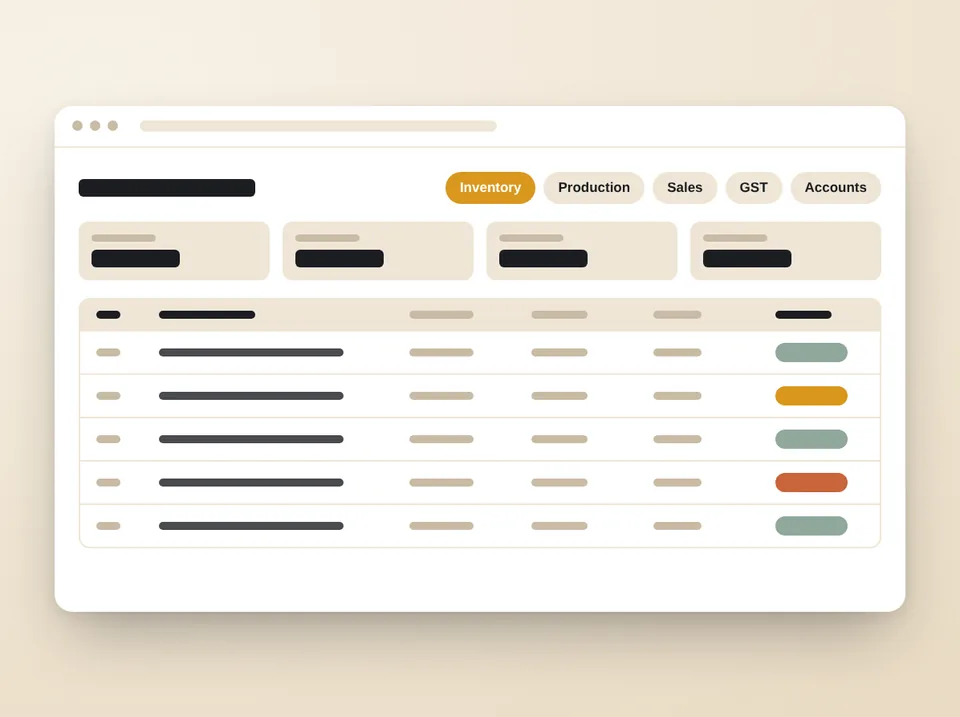
ERP Development & Implementation
Custom ERP or Odoo and ERPNext, mapped to how your business really runs — from purchase order to dispatch to GST invoice.
Explore →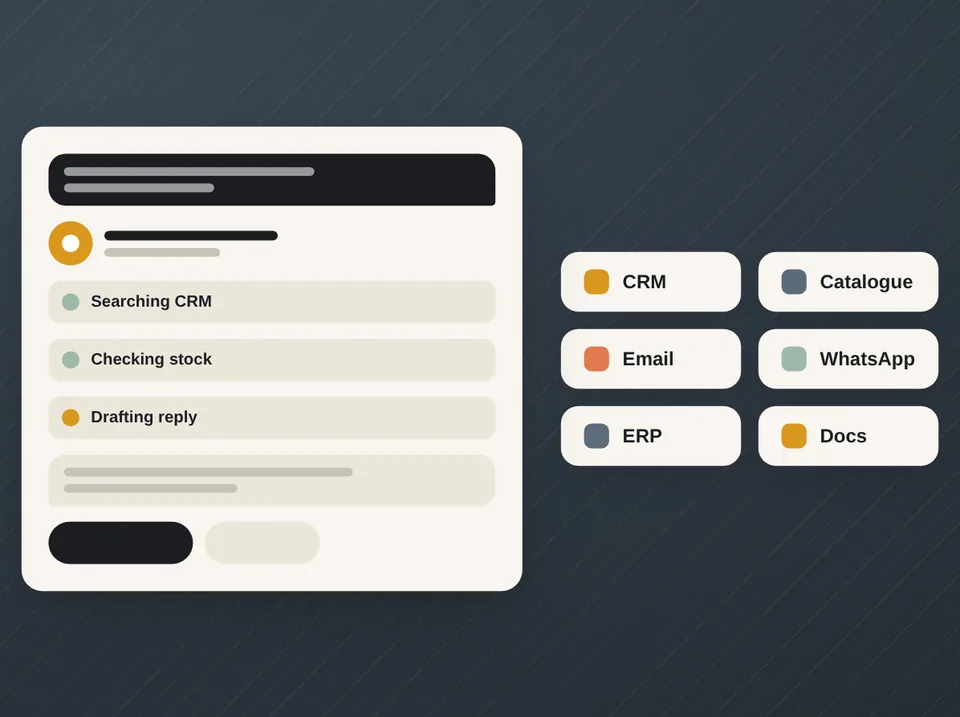 Service card · 4:3
AI Agent Development
Custom AI agents that take a goal, use your tools and finish the task — inside guardrails, approvals and logs.
Explore → Service card · 4:3
Custom Tools & Automations
Small, purpose-built software that removes manual work — lead trackers, lookups, dashboards and document automation.
Explore →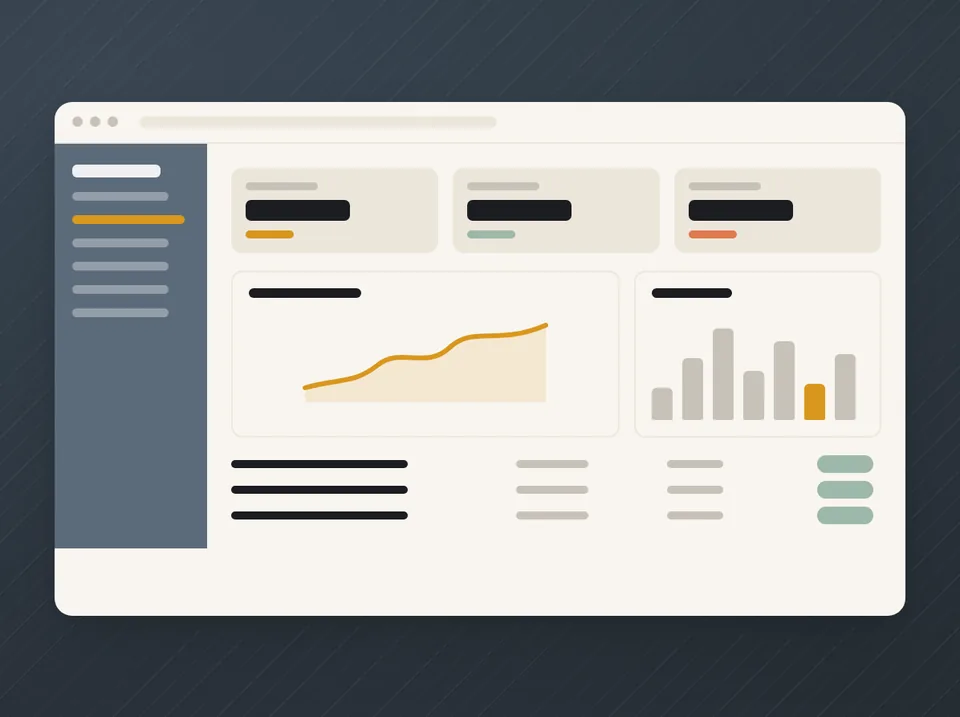 Service card · 4:3
SaaS Product Development
From a validated idea to a SaaS product that signs up, bills, scales and passes a customer's security review.
Explore →